What players say
Colored Circle offers a pure puzzle experience that is easy to learn but hard to master. The increasing speed keeps each session fresh, and the simple controls make it accessible. It provides good replay value for quick cognitive training and is ideal for players seeking a focused challenge.
About this game
Game Introduction
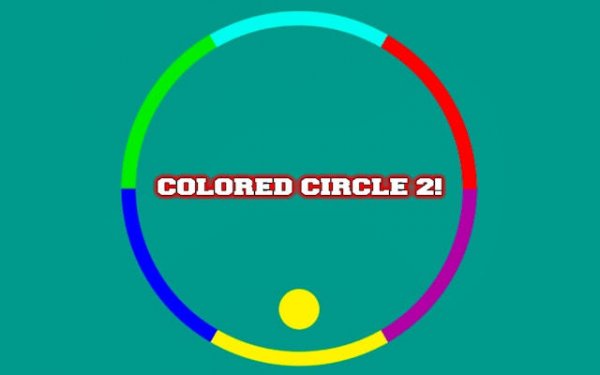
Colored Circle is an arcade puzzle game that tests your color matching skills and reflexes. The game presents a circular arena divided into six colored segments. Inside, a ball with a colored scarf bounces continuously. Your objective is to rotate the circle so the segment under the ball matches the scarf color at the moment of contact. This simple concept creates an engaging test of coordination and anticipation. As the ball speeds up and changes bounce patterns, the difficulty increases, making each round a fresh challenge. Designed for players of all ages, Colored Circle provides a pure, accessible experience that sharpens cognitive skills while offering immediate fun.
How to Play
First, observe the ball and its colored scarf as it moves inside the circle. Use your mouse or touch input to rotate the entire circle left or right. Time your rotation so the colored segment directly beneath the ball matches the scarf color when they meet. Each successful match scores a point. The game continues as long as you keep matching, with the ball speed increasing over time. Miss a match and the round ends. Practice to improve your reaction time and achieve higher scores. The controls are intuitive, allowing you to focus on the visual coordination challenge.
Game Features
Dynamic physics that change ball speed and bounce patterns. Vibrant visual design with distinct color segments. Simple one-touch controls for easy play. Increasing difficulty that tests reflexes and color recognition. Suitable for quick sessions or extended play. No complex rules or setups required.
Tips for Success
Focus on the ball's scarf color before making any rotation. Anticipate the ball's trajectory to prepare the correct segment in advance. Stay calm as the speed increases; panicking can lead to mistakes. Practice regularly to improve your reaction time and pattern recognition. Take short breaks if you feel fatigued to maintain peak performance. Remember that each miss is a learning opportunity to refine your timing.