
What players say
Quick Color Match Card Game delivers exactly what its name promises: fast, colorful card matching. The core rule is easy to grasp, but special cards add just enough unpredictability to keep rounds interesting. The bright visuals and simple controls make it accessible for all ages. It works well as a short break activity or a longer family game session. The lack of complex rules means anyone can join without a lengthy explanation. A solid choice for casual card game fans.
About this game
Core Matching Logic
Players take turns placing a card from their hand onto a central pile. To make a valid play, the card must share either the same color or the same number as the card currently on top. This straightforward rule creates a loop of observation and choice, as each turn presents a small puzzle of which card to play next. The game rewards attention to the board state and a bit of forward thinking.
Special Cards and Their Impact
Certain cards introduce effects that change the flow of the round. A Skip card prevents the next player from taking their turn. A Reverse card flips the order of play, forcing everyone to adjust their plans. A Draw card requires the following player to pick up extra cards from the deck. These additions inject unpredictability and require players to adapt their strategy on the fly, keeping each game distinct from the last.
Visual Design and Accessibility
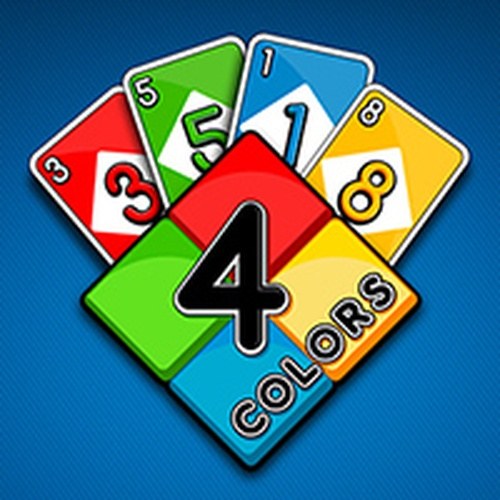
The game uses bright, clear colors and simple card layouts, making it easy to distinguish between suits and values at a glance. The interface relies on tap or click actions, so players of any age or experience level can join without confusion. The overall aesthetic is cheerful and uncluttered, supporting a relaxed atmosphere that fits casual gaming sessions.
Round Structure and Win Condition
A round continues until one player has placed all their cards onto the discard pile. That player is declared the winner. Because rounds are short, it is common to play multiple rounds in a single session. The game may include options for playing against computer-controlled opponents, allowing solo practice, or against other people in a local or online setting, depending on the version.
Strategic Depth Without Complexity
While the basic rule is simple, deciding when to play a special card versus a regular card adds a layer of strategy. Holding a Skip card for when an opponent is close to winning can turn the tide. Similarly, choosing which color to play can limit opponents' options. The balance between luck in the draw and deliberate choice keeps the experience engaging without requiring extensive rule memorization.










Player Comments
Sign in to comment
You must be logged in before posting a review or rating.
No account? Create one
No comments yet. Be the first to comment!