
What players say
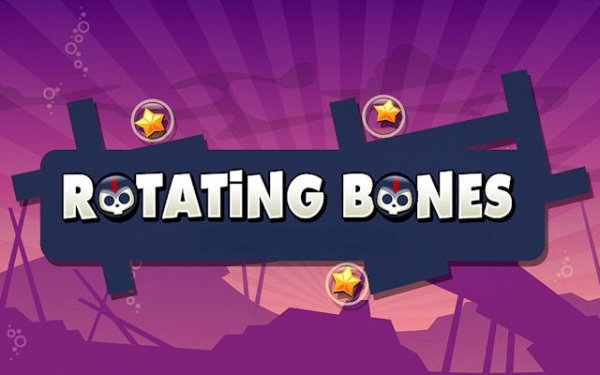
Rotational Logic: Star Collector stands out for its unique control scheme. Instead of moving a character directly, players rotate the entire environment, which feels fresh and engaging. The puzzles are well-designed, with a gentle learning curve that respects the player's time. The art style is charming and non-threatening, making it a great choice for families. While the game may not appeal to those seeking fast action, its focus on logic and planning offers a rewarding experience for puzzle enthusiasts.
About this game
Core Gameplay Concept
In Rotational Logic: Star Collector, the primary interaction is rotating the entire playing field. Players tap or click to spin the environment in 90-degree turns, causing the character to roll, slide, or fall into new positions. This indirect control method sets the game apart from traditional platformers. Each move requires thinking ahead, as the character's path depends entirely on how the world is oriented. The physics are consistent, so players can predict movement patterns after some practice.
Puzzle Design Philosophy
Each level presents a self-contained challenge centered around star collection. The layout includes platforms, gaps, and obstacles that must be navigated by rotating the environment at the right moments. Early levels introduce basic concepts, while later stages combine multiple elements requiring careful sequencing. There are no time limits, allowing players to pause and consider their approach. The difficulty curve is gradual, ensuring that new mechanics are learned before they are tested in more complex arrangements.
Visual Style and Atmosphere
The game adopts a colorful, cartoon-like aesthetic that is gentle on the eyes. Characters and environments are designed to be appealing without any intense or frightening imagery. This visual approach makes the game suitable for a wide audience, including younger players. The interface is clean, with minimal on-screen distractions. Animations are smooth, and the rotation effect feels satisfying without being disorienting.
Progression and Replay Value
As players advance, they encounter new types of interactive elements that change how rotations affect movement. The game does not use scores or timers, focusing instead on the satisfaction of solving each puzzle. After completing a level, players can revisit it to find alternative solutions or simply enjoy the mechanics. The structure encourages experimentation, as there is no penalty for making mistakes. This design promotes a relaxed pace where logical thinking takes precedence over speed.








Player Comments
Sign in to comment
You must be logged in before posting a review or rating.
No account? Create one
No comments yet. Be the first to comment!