
What players say
Recall and Sketch Puzzle offers a refreshing break from digital games. Its simple premise—remembering strokes drawn on your back—creates a surprisingly deep mental challenge. The game is calming yet engaging, making it ideal for quiet afternoons or family gatherings. It strengthens memory and creativity without any competitive pressure. The cooperative nature builds communication between players. A wonderful tool for parents and teachers alike.
About this game
Game Introduction
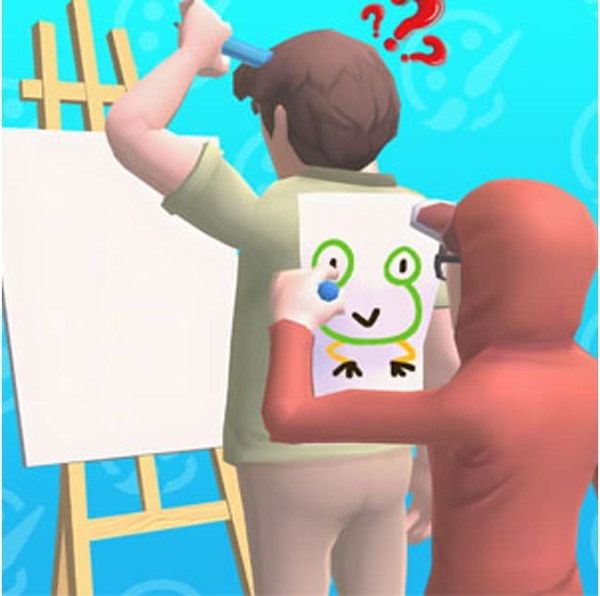
Recall and Sketch Puzzle is a cooperative memory game that blends gentle physical touch with artistic recall. The core idea is simple yet engaging: one player uses their finger to trace a small part of a picture on the other player’s back. The receiving player then tries to remember the shape and position of that stroke and copy it onto a piece of paper. This process repeats, with the drawer adding more elements each time without showing the previous ones. At the end, the player who was drawing from memory sees four possible images and must pick the one that matches the complete picture the drawer had in mind. This game is designed to sharpen observation, spatial memory, and creative thinking in a calm, screen-free setting. It works well for pairs of all ages and encourages communication and patience. The game’s charm lies in its simplicity—no batteries, no screens, just a pencil, paper, and a willing partner. It turns a simple touch into a puzzle that requires focus and imagination. By relying on the sense of touch and memory, players build a unique mental map of the drawing, making each round a fresh challenge. The game is especially good for children and families, as it promotes bonding and cooperative play without competition or stress. It also helps develop fine motor skills and visual recall in a natural, playful way. The experience is relaxing and rewarding, with each successful match bringing a sense of accomplishment. Whether you are a parent looking for a quiet activity or a teacher seeking a classroom icebreaker, this game offers a gentle yet effective brain workout.
How to Play
To begin, one player silently decides on a simple object or scene to draw. They use their finger to trace a small part of that picture on the other player’s back. The receiving player concentrates on the sensation and tries to remember the stroke’s shape and location. After a few seconds, they attempt to draw that same stroke on their own paper. The drawer then adds another part to the back drawing, again without showing the previous marks. The receiver adds each new element to their paper from memory, building the picture step by step. Once all parts have been added, the receiver is shown four different images. They select the one they believe matches the complete drawing the drawer originally imagined. The game can be played with multiple rounds, switching roles so both players get to draw and guess. The key is to stay relaxed and trust your memory of each touch.
Game Features
Recall and Sketch Puzzle offers a minimalist design that focuses on the core experience: touch, memory, and drawing. The game requires only basic materials—paper and a writing tool—making it accessible anywhere. It is suitable for players of all ages, from young children to adults, and encourages cooperative interaction rather than competition. The simple rules allow for quick setup and easy learning. The game naturally improves memorization skills and creative thinking as players must recall and reconstruct images from tactile clues. It also promotes focus and patience, as each round demands careful attention to detail. The activity can be adapted for different skill levels by adjusting the complexity of the drawings. It is a screen-free pastime that fosters bonding and communication between partners. The game’s calming nature makes it a good choice for quiet play or family gatherings. It may also be used in educational settings to enhance memory and fine motor skills.
Tips for Success
To improve your recall, pay close attention to the path and pressure of each stroke as it is drawn on your back. Try to visualize the shape in your mind immediately after feeling it. Practice regularly with different partners to get used to various drawing styles and speeds. Stay patient and avoid rushing—taking a moment to relax can help you remember more clearly. If a stroke feels unclear, ask the drawer to trace it again more slowly. Over time, your spatial memory and drawing accuracy will naturally improve.







Player Comments
Sign in to comment
You must be logged in before posting a review or rating.
No account? Create one
No comments yet. Be the first to comment!