
What players say
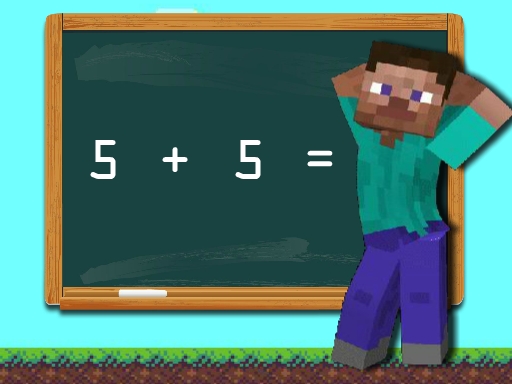
Math Practice Arcade Puzzle offers a gentle introduction to arithmetic for young learners. The absence of time limits allows children to solve problems at their own pace, reducing anxiety. The gradual increase in difficulty keeps them challenged without overwhelming them. Bright colors and friendly sounds create a positive learning environment. It is a reliable educational tool for building foundational math skills.
About this game
Game Introduction
Math Practice Arcade Puzzle is an online math puzzle game that combines arcade-style fun with educational content. The game focuses on helping children practice basic arithmetic through engaging puzzles. Its core objective is to solve math problems correctly to progress, with a design that emphasizes learning in a positive, stress-free environment. The game stands out by turning math practice into an enjoyable activity, making it suitable for young learners who want to build their number skills while playing.
How to Play
Players start by selecting a math category, such as addition or subtraction. A math problem then appears on the screen along with several answer choices. To play, simply click or tap the correct answer to earn points and move to the next question. The game does not have time limits, allowing children to think at their own pace. The interface is designed to be clear and friendly, so even young players can begin without difficulty.
Game Features
Math Practice Arcade Puzzle includes a variety of age-appropriate puzzles covering addition, subtraction, multiplication, and more. The game uses bright colors and friendly sounds to create a positive learning atmosphere. Difficulty levels increase gradually, helping children stay motivated without feeling overwhelmed. As an online game, it is free to play and requires no downloads or registration, making it accessible directly from a web browser.
Tips for Success
To do well in Math Practice Arcade Puzzle, practice regularly to strengthen basic math skills. Start with easier categories like addition before moving to harder ones. Take your time with each problem since there is no time pressure. Encourage children to review mistakes to understand where they went wrong. Consistent practice will help improve speed and accuracy over time, making the game both fun and educational.







Player Comments
Sign in to comment
You must be logged in before posting a review or rating.
No account? Create one
No comments yet. Be the first to comment!